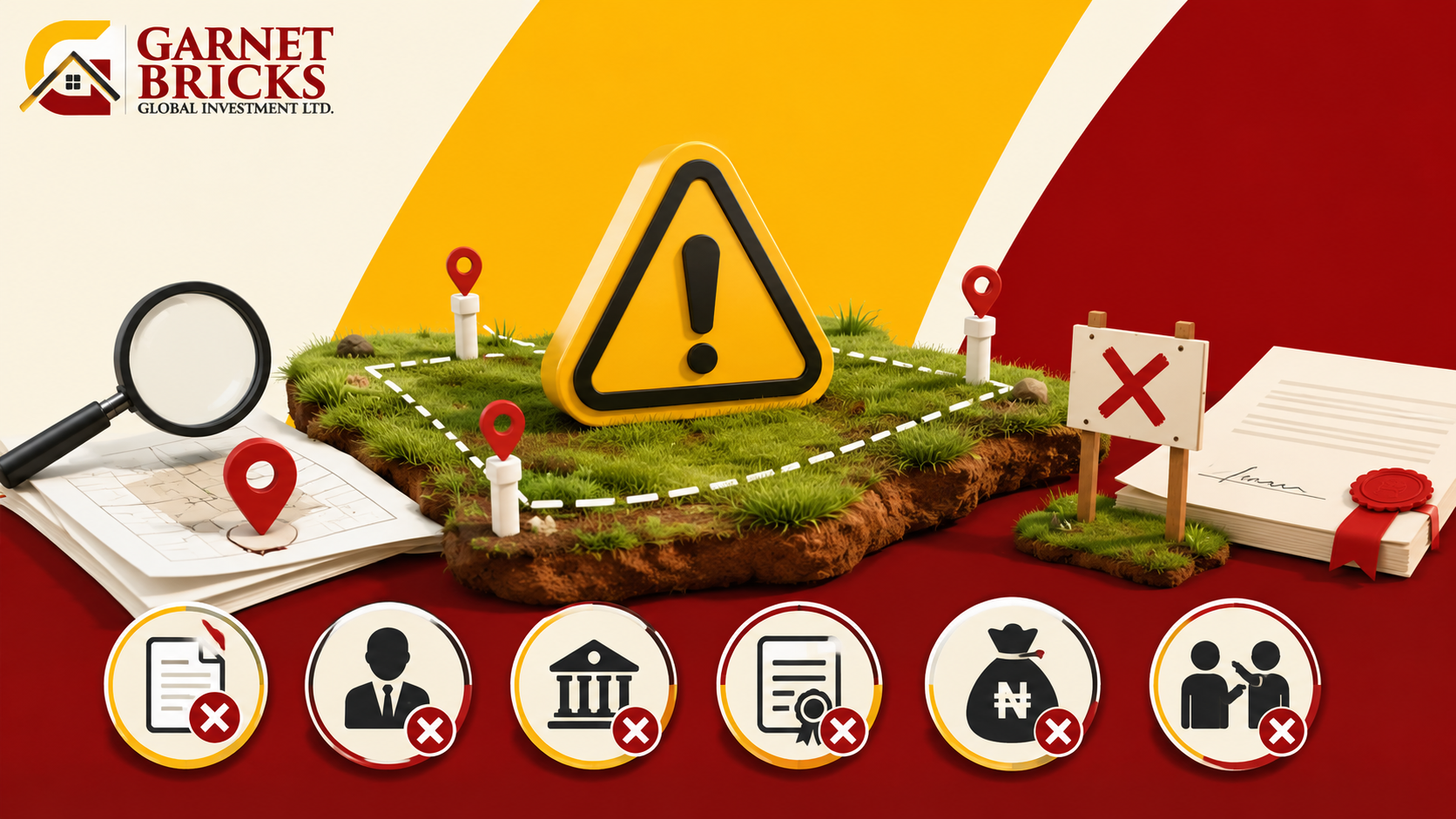
What are The Mistakes First-Time Land Buyers Make in Nigeria
Introduction: Navigating the Nigerian Land Market as a First-Time Buyer
The allure of owning land in Nigeria is undeniable, whether for building a dream home, developing commercial property, or securing a valuable asset for the future. For first-time land buyers, however, the process can seem daunting, fraught with potential pitfalls that could lead to significant financial loss or legal complications. Understanding these common mistakes is the first crucial step towards a successful and secure land acquisition.
At Garnet Bricks, we empower Nigerian property buyers, land investors, and diaspora clients with the knowledge and support needed to make informed decisions. This guide highlights the top mistakes first-time land buyers often make and provides practical advice on how to avoid them.
Common Mistakes First-Time Land Buyers Make in Nigeria
Investing in land requires diligence, patience, and expert guidance. Here are the critical errors to watch out for:
1. Skipping Thorough Due Diligence and Documentation Checks
This is arguably the most critical mistake. Many first-time buyers are eager to close a deal and overlook the necessity of verifying all legal documents. This can lead to purchasing land with disputed ownership, government acquisition, or multiple claims.
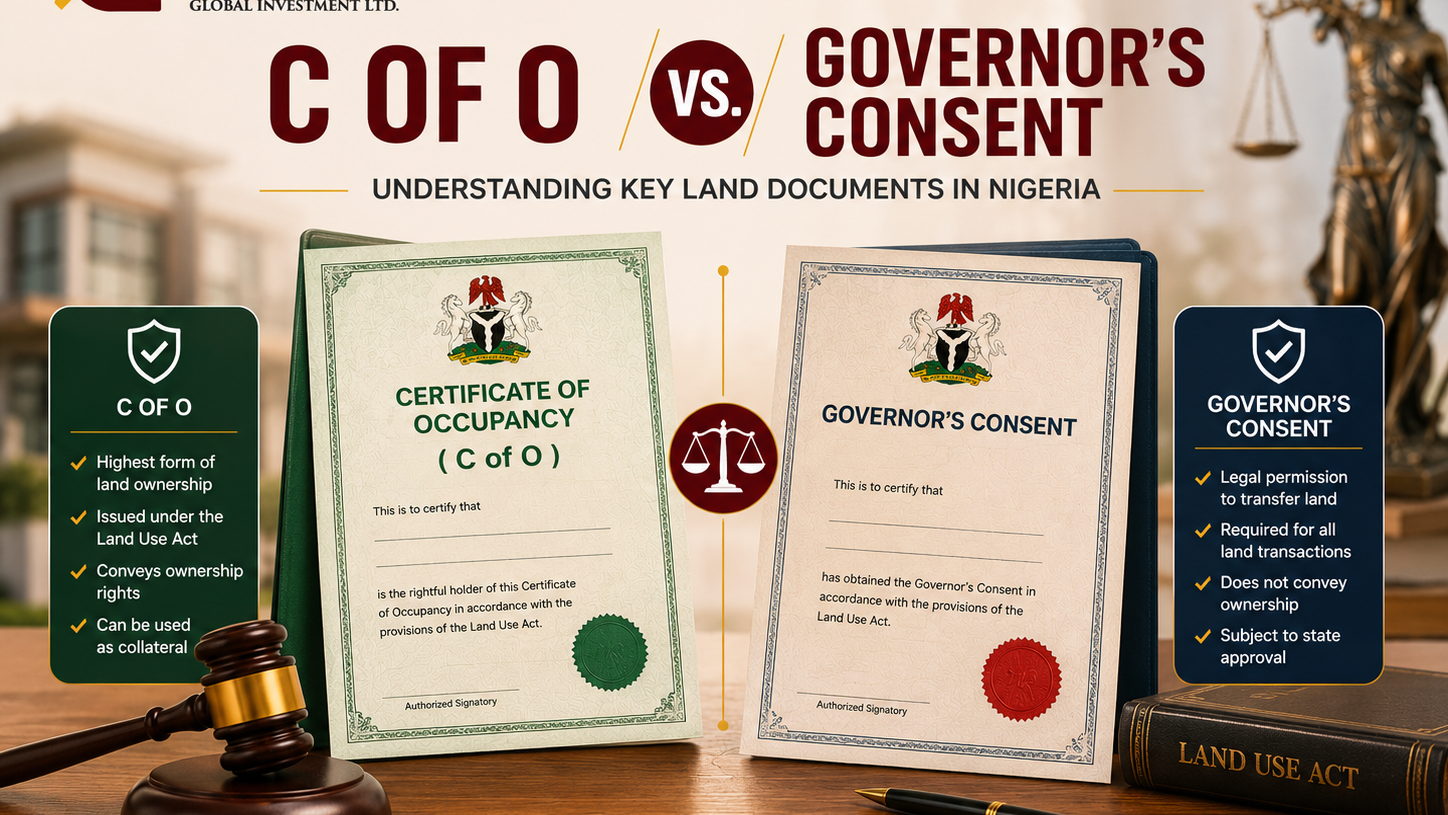
- Failure to Verify Title Documents: Always scrutinize the Certificate of Occupancy (C of O), Governor's Consent, Deed of Assignment, or other relevant title documents. Ensure they are genuine, registered, and correspond to the specific land.
- Ignoring Survey Plans: A proper survey plan is essential to confirm the exact boundaries, size, and location of the land. Discrepancies can lead to boundary disputes with neighbors.
- Not Conducting a Land Search: A land search at the relevant land registry will reveal any encumbrances, government acquisition status, or previous transactions on the property.
2. Ignoring Location and Future Development Potential
The value of land is heavily influenced by its location and the potential for future development in the surrounding area. Buying solely based on a low price can be a costly error if the location lacks growth prospects.
- Lack of Infrastructure Assessment: Consider access to roads, electricity, water, and other essential amenities. Undeveloped areas might be cheaper but could incur significant development costs later.
- Overlooking Government Development Plans: Research local government plans for infrastructure, residential, or commercial projects. Land in a planned growth corridor will likely appreciate faster.
- Proximity to Social Amenities: For residential purposes, consider proximity to schools, hospitals, markets, and transportation hubs.
3. Underestimating Additional Costs Beyond the Purchase Price
Many first-time buyers budget only for the land's advertised price, forgetting the array of additional fees involved in a legitimate transaction. These hidden costs can quickly add up and strain your finances.
- Legal Fees: For solicitors to conduct due diligence, draft agreements, and facilitate the transfer process.
- Survey Fees: For professional land surveyors to delineate boundaries and prepare a survey plan.
- Agency Fees: If you are working with a real estate agent (typically 5-10% of the land value).
- Stamp Duty and Registration Fees: Government charges for legalizing the transaction and registering your ownership.
- Development Levies: Some communities or estates charge fees for infrastructure development.
4. Making Emotional Decisions Over Factual Analysis
The excitement of buying land can sometimes lead to hasty decisions, often driven by emotion rather than sound judgment. This can result in buying unsuitable land or falling victim to scams.
- Buying "Because It's Cheap": Unusually low prices often indicate underlying issues such as disputed ownership, government acquisition, or poor location. If it seems too good to be true, it probably is.
- Pressure from Friends or Family: While advice is good, the final decision should be based on independent verification and professional counsel, not just hearsay or peer pressure.
- Ignoring Red Flags: Be wary of sellers who rush the process, refuse to provide documents, or demand cash payments without proper receipts.
5. Neglecting Professional Guidance
Attempting to navigate the complexities of land acquisition in Nigeria without expert help is a significant risk. Reputable professionals offer invaluable protection and guidance.
- Not Engaging a Qualified Real Estate Lawyer: A lawyer specializing in real estate can conduct thorough due diligence, verify documents, and ensure the transaction is legally sound.
- Bypassing Reputable Real Estate Companies: Working with a trusted company like Garnet Bricks provides access to verified properties, market insights, and experienced professionals who can guide you through every step.
- Lack of Independent Property Valuation: An independent valuation can help you determine if the asking price is fair and aligned with market rates.
6. Not Physically Inspecting the Land
Relying solely on pictures or descriptions can be misleading. A physical inspection is crucial to confirm the land's actual state and surrounding environment.
- Verifying Physical Boundaries and Access: Ensure the land's physical boundaries match the survey plan and that there is clear, legal access to the property.
- Assessing Topography and Soil Type: Understand the land's terrain (e.g., swampy, rocky, flat) and soil composition, which can impact construction costs.
- Checking for Encroachments or Disputes: A physical visit can reveal ongoing construction by others, signs of encroachment, or local disputes.
Frequently Asked Questions
- What are the most crucial documents to verify when buying land in Nigeria?
The most crucial documents include the Certificate of Occupancy (C of O), Governor's Consent, Deed of Assignment, and a properly registered Survey Plan. Always conduct a thorough land search at the relevant land registry to confirm authenticity and clear title. - How can I avoid buying land with disputed ownership?
To avoid disputed ownership, engage a qualified real estate lawyer to conduct comprehensive due diligence, including a land search at the land registry. They will verify the seller's title, check for encumbrances, and ensure the land is free from litigation or multiple claims. - What hidden costs should I budget for when buying land in Nigeria?
Beyond the purchase price, budget for legal fees, survey fees, agency fees (if applicable), stamp duty, registration fees, and potential development levies or community charges. These can significantly impact your total investment. - Is it safe for Nigerians in the diaspora to buy land in Nigeria?
Yes, it can be safe and highly rewarding, provided you work with trusted and reputable real estate professionals like Garnet Bricks. We offer transparent processes, conduct due diligence on your behalf, and provide secure channels for diaspora clients to invest confidently.
Conclusion
<p>Buying land in Nigeria is a significant investment that promises substantial returns when approached correctly. By being aware of these common mistakes and actively working to avoid them, first-time land buyers, including our valued diaspora clients and local investors, can navigate the market with confidence. Prioritize due diligence, seek professional advice, and never rush into a decision.</p>
Call to Action
<p>Ready to make a secure and informed land investment in Nigeria? Don't navigate the complexities alone. Contact Garnet Bricks today for expert guidance, verified properties, and a seamless buying experience. Let us help you turn your land ownership dreams into a secure reality.</p>
<p><strong>Call us or visit our website to speak with a property expert!</strong></p>


Comments
Comments are reviewed before they appear publicly. Share your thoughts using your name and email address.